
How to Choose a Notebook You’ll Actually Use Every Day
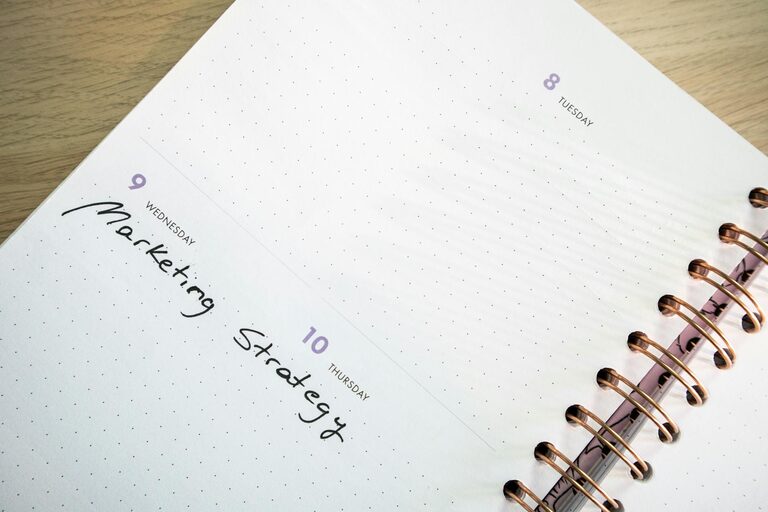
Choosing the right notebook might seem like a simple task, but with so many options available, it can quickly become overwhelming. Whether you want to jot down ideas, plan your day, or keep a journal, the notebook you choose can make a big difference in how often and how effectively you use it. In this guide, we’ll help you navigate the key factors so you pick a notebook you’ll actually enjoy using.
Why Choosing the Right Notebook Matters
A notebook is more than just paper bound together. It’s a tool for expressing thoughts, organizing tasks, capturing memories, or practicing creativity. When your notebook matches your preferences and lifestyle, it encourages consistent use. On the other hand, an unsuitable notebook might end up collecting dust on a shelf.
Step 1: Identify Your Primary Purpose
Before browsing through countless notebooks, think about what you’ll mainly use it for. This will influence the size, style, and paper type you need.
– Note-taking: If you’re a student or professional taking notes, you might prefer a notebook with lined pages for neat writing.
– Sketching/Drawing: Artists and designers may want blank or dotted pages for freedom and guidance.
– Journaling: Consider a notebook with thick pages that handle different inks well.
– Planning: Bullet journals or planners usually have dot grids or pre-printed layouts.
Step 2: Choose the Right Size
Notebooks come in various sizes, from pocket-sized to large formats. Consider your lifestyle and intended use to choose the best size.
– Pocket-sized (A6 or smaller): Extremely portable and great for quick notes or ideas on the go.
– Medium (A5): Versatile and popular size, easy to carry in most bags.
– Large (A4 and above): Ideal for detailed notes, sketches, or planners but less portable.
Ask yourself where and how you’ll use the notebook most often. A large notebook might be perfect at your desk but inconvenient if you carry it daily.
Step 3: Decide on the Binding Type
The way a notebook is bound affects its durability and usability.
– Spiral binding: Allows the notebook to lie flat and makes tearing out pages easy. Great for casual use.
– Hardcover (case-bound): Offers durability and protection, ideal for long-term use or journaling.
– Softcover: Lightweight and flexible but less durable than hardcover.
– Stitched or glued binding: Gives a classic look and sturdy build, but may not open completely flat.
Consider how you plan to use the notebook and how often you want to carry it.
Step 4: Select the Paper Quality and Type
The feel of the paper can influence your writing experience. Thicker papers prevent ink bleed-through and feel more luxurious.
– Paper weight: Measured in gsm (grams per square meter). Typical notebooks range from 70 to 120 gsm or higher. For ink-heavy use or markers, 100 gsm or more is preferable.
– Page rulings:
– Lined: Good for writing.
– Blank: Best for drawing or sketching.
– Dotted: Popular for bullet journaling, offering subtle guidance.
– Grid: Useful for charts, math, or technical drawings.
– Paper color: White and cream are common. Cream can be less harsh on the eyes.
Step 5: Consider Additional Features
Some notebooks come with extras that might suit your style and needs.
– Page numbers: Helpful for indexing and organizing.
– Built-in bookmarks or ribbons: Let you easily find your place.
– Elastic closures: Keep your notebook securely closed in your bag.
– Pockets or folders: Good for storing loose notes, receipts, or stickers.
– Perforated pages: For easy removal without damage.
These little touches can add convenience and motivation to keep using your notebook.
Step 6: Reflect on Aesthetics and Personal Preference
Does the notebook inspire you to open it? The cover design, color, texture, and brand all play a part in how much you enjoy your notebook.
– Choose a design that resonates with you.
– Think about the cover’s durability and ease of cleaning.
– If you’re gifting a notebook or using it as a diary, consider personal touches like monograms or custom covers.
Step 7: Try Before You Commit
If possible, test different notebooks in a store. Write or sketch a few lines to see how the paper feels with your preferred pen or pencil. This helps avoid disappointment once you take it home.
Tips to Keep Using Your Notebook Consistently
– Set a routine: Dedicate a few minutes daily or weekly to write.
– Keep it accessible: Store your notebook where you’ll see it often.
– Mix function with fun: Use colorful pens, stickers, or drawings.
– Use it creatively: Combine lists, doodles, and notes.
– Don’t aim for perfection: Your notebook is for you, so relax and enjoy.
Final Thoughts
Choosing a notebook you’ll actually use is about finding the right balance between practicality and inspiration. By considering your purpose, preferred size, binding, paper, and style, you can select a notebook that feels just right. With the right choice, your notebook can become a trusted companion for capturing your thoughts, organizing your life, and fueling your creativity.
Happy notebook hunting!